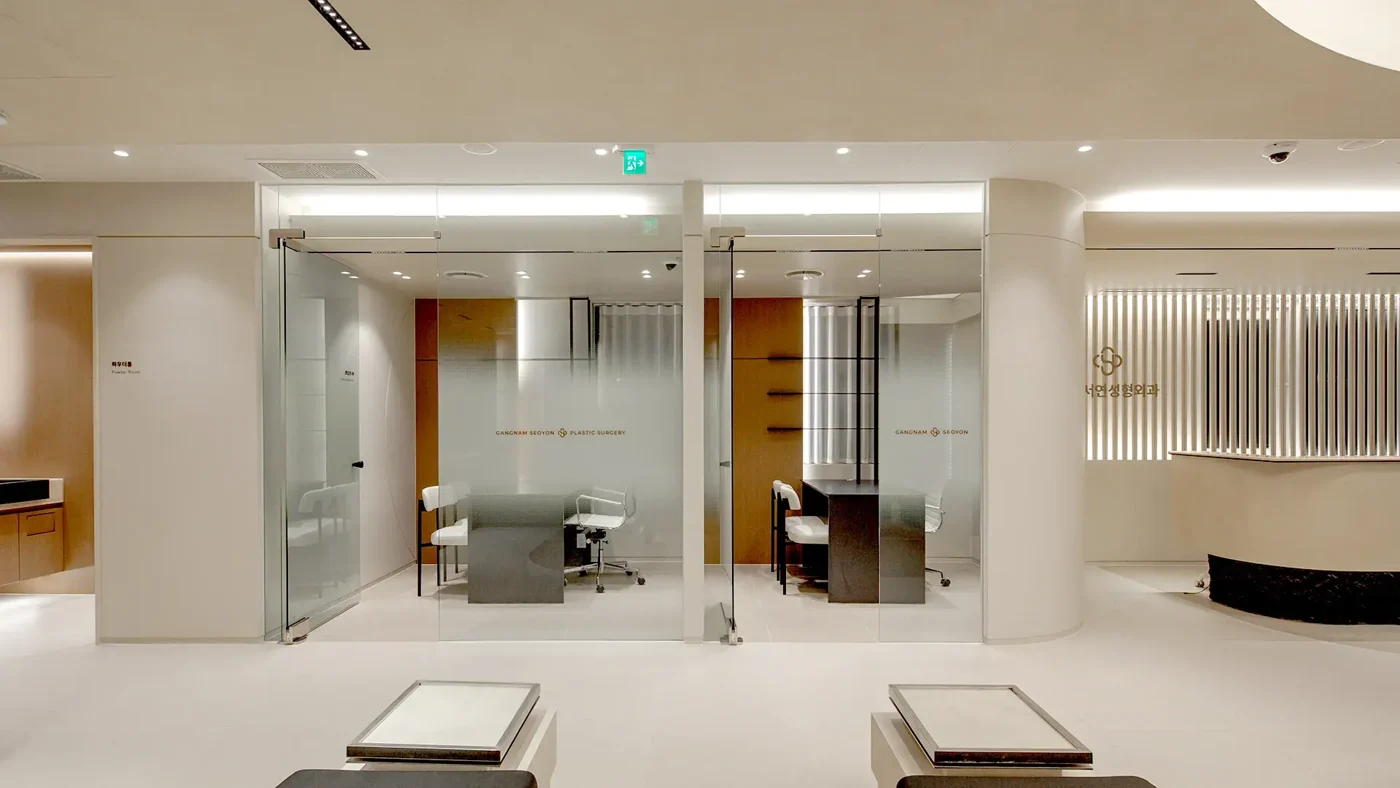
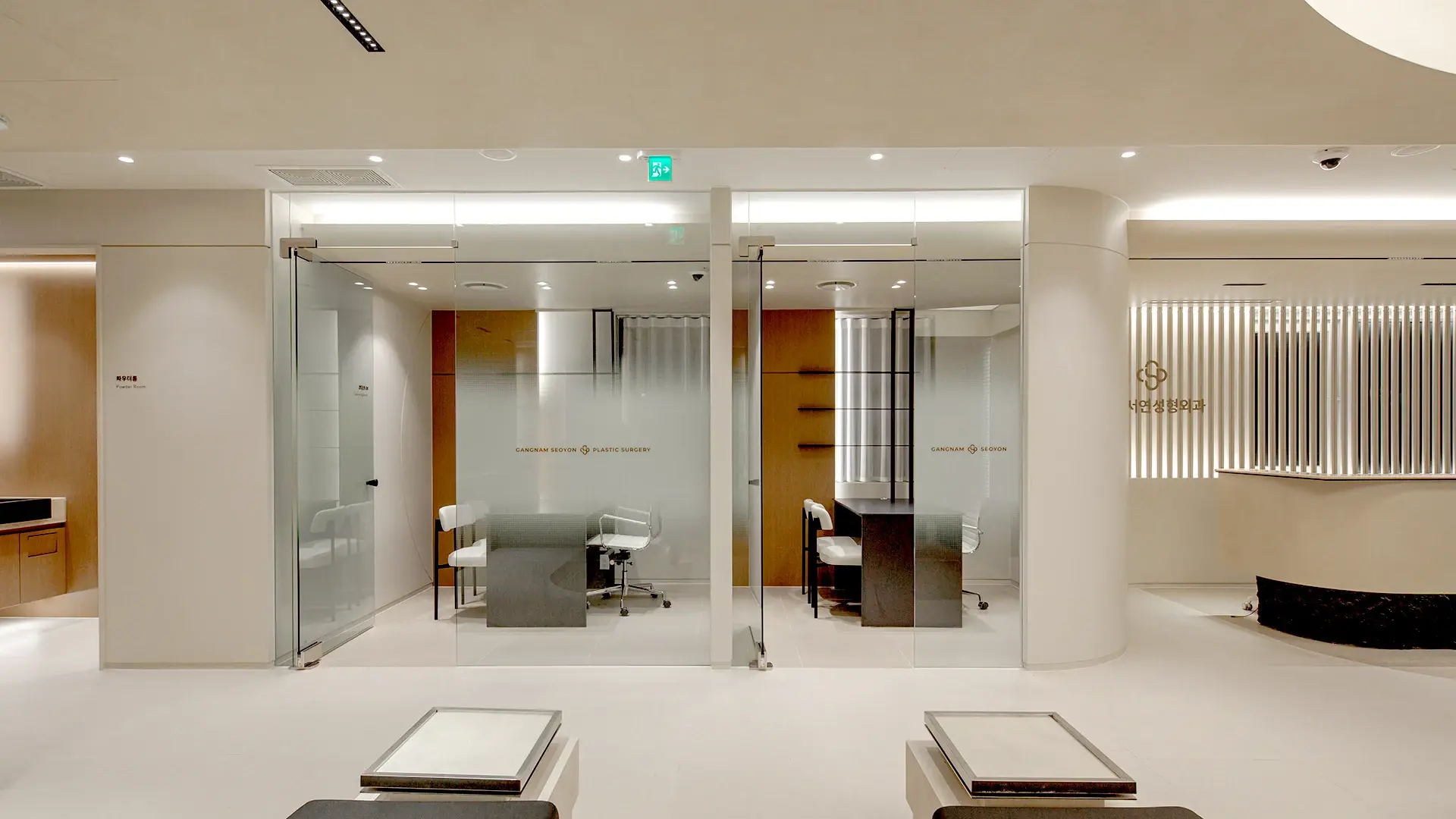
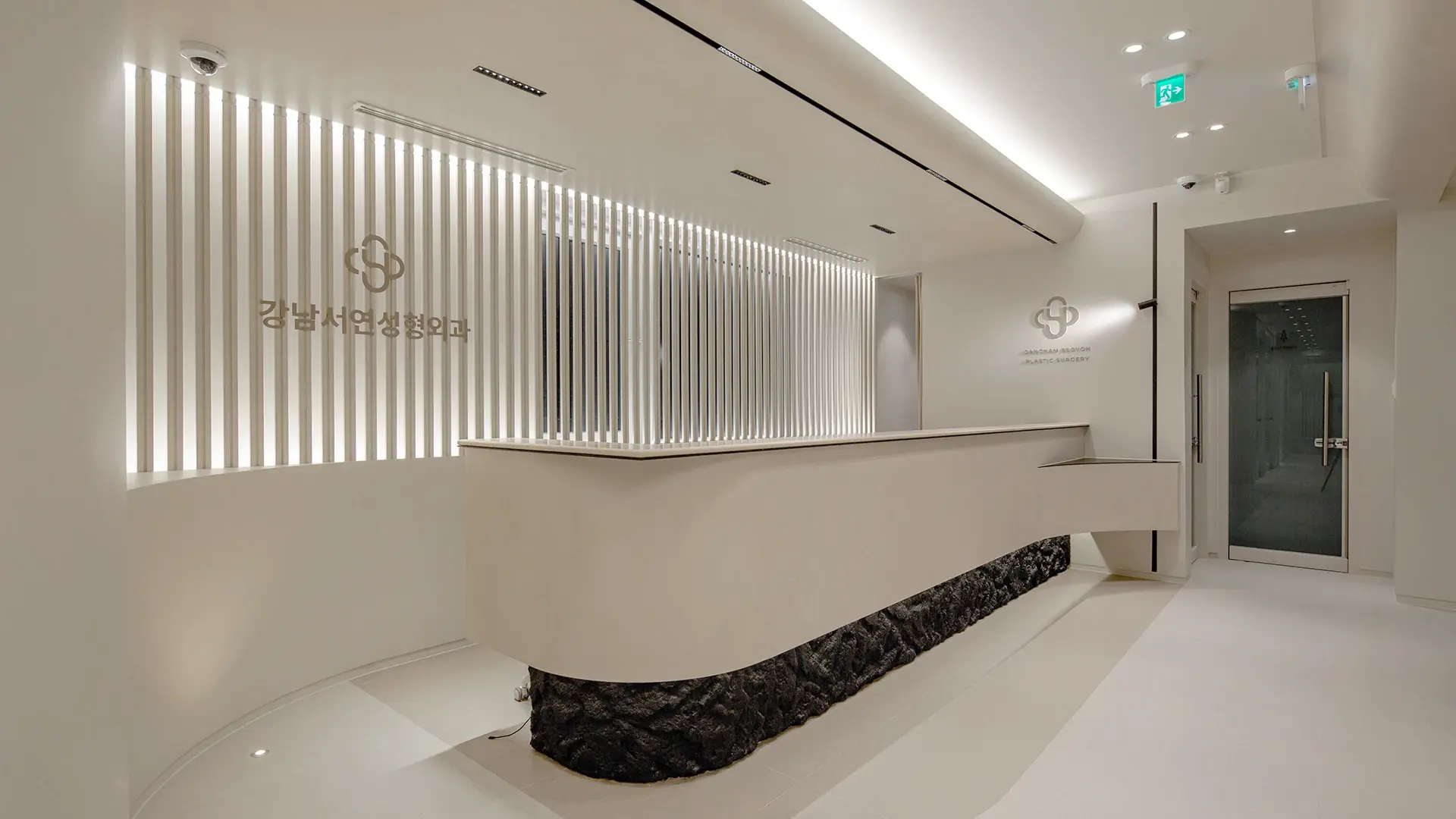


Rhinoplasty at Gangnam Seoyon
The clinic lists nose surgery alongside eyelid, lifting and skin treatments. Its published rhinoplasty pages describe using the patient's own tissue and assessing problems after previous surgery. A consultation should establish whether your concern involves the bridge, tip, nostrils, breathing or several of these, and which changes are realistic.
Nasal treatments to discuss
| Clinic-listed service | What to establish with the surgeon |
|---|---|
| Autologous-tissue rhinoplasty | The clinic describes septal, ear or rib cartilage and dermis as possible materials. Ask what would be used in your case, why, and whether harvesting tissue adds a separate incision or recovery needs. |
| Revision rhinoplasty | Bring previous operation notes and implant or graft details. Ask how scar tissue, remaining cartilage and the cause of your concern affect the options and timing. |
Using your own tissue does not make surgery risk-free or guarantee a permanent result. Discuss the benefits, limits and risks of each proposed material rather than choosing from a procedure name alone.
Clinic service information: autologous-tissue rhinoplasty and revision rhinoplasty.
Meet the surgeon
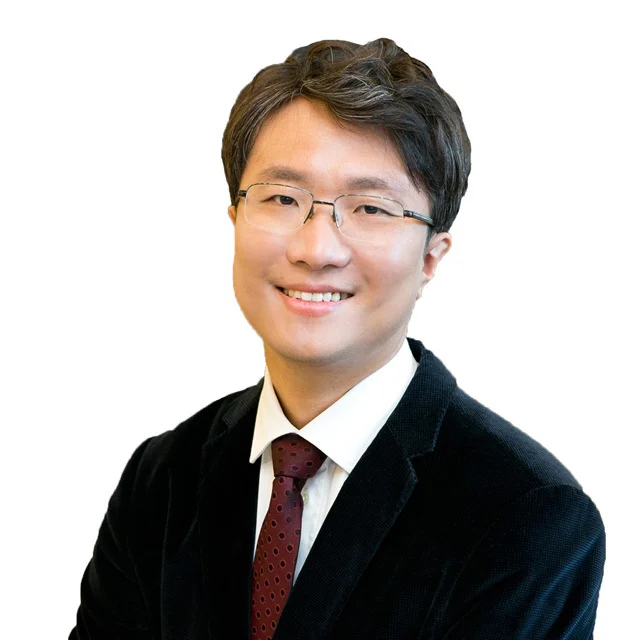
The clinic's medical-team page identifies Dr. Choi Dong-il as a board-certified plastic surgeon and chief director since 2015. It lists previous director roles at BK Plastic Surgery (2011–2013) and Regen Plastic Surgery (2013–2015). His practice includes eyelid surgery as well as autologous-tissue and revision rhinoplasty.
The clinic describes consultations and surgery led by Dr. Choi. Confirm who will perform your operation, review your recovery and cover urgent concerns while you are in Korea.
Background: Gangnam Seoyon medical team.
Questions for your rhinoplasty consultation
- What can change in my nose, and which goals are limited by skin thickness, anatomy or previous surgery?
- Will you assess my breathing as well as appearance, and is a separate airway evaluation needed?
- What material and surgical approach do you recommend, and what are the alternatives, including no surgery?
- Who provides anesthesia, what monitoring is used, and what happens if I need urgent care?
- Which postoperative visits must take place in Korea, and who will help after I return home?
Location and international patient support
20, Gangnam-daero 154-gil, Gangnam-gu, Seoul, Republic of Korea
The clinic's directions place it near Sinsa Station, with walking routes from exits 7 and 8. Confirm the entrance, reception floor and appointment instructions before your visit.
Gangnam district's medical-tourism listing reports English, Japanese and Chinese interpreters. Arrange the language you need for the surgeon consultation, consent discussion and postoperative reviews before booking travel.
Clinic directions · Gangnam district clinic listing
Use the clinic's international website linked on this page to request an appointment. Explain whether this is your first nose operation or a revision, and ask which photographs and records are needed for an initial assessment.
How much does rhinoplasty at Gangnam Seoyon cost?
Ask for an individualized written quote in Korean won after the surgeon assesses your nose. A headline price is not enough to compare a first operation with revision surgery or a plan involving tissue harvesting.
- Procedure and surgeon fees, graft or implant materials, anesthesia and operating-room charges.
- Tests, medication, dressings and the number of included postoperative appointments.
- Interpreter charges, deposits, cancellation terms and costs if you need extra treatment or a longer stay.
Budget separately for flights, accommodation and care after returning home. Use the Korea rhinoplasty cost checklist to compare the same inclusions across clinics.
How to assess reviews and before-and-after photos
For Gangnam Seoyon reviews, look for the named surgeon, procedure, surgery date, recovery stage and how follow-up was handled. An eyelid-surgery review does not establish a rhinoplasty result. Check whether a post discloses a discount or other incentive.
Ask to see nose cases with a similar starting shape and surgical history. Compare consistent angles and lighting, and ask when the after photographs were taken. Early swelling can obscure the result. Photographs and individual reviews cannot predict your outcome.
Recovery, risks and planning your return home
Rhinoplasty can involve bleeding, infection, anesthesia complications, scarring, breathing difficulty, an unsatisfactory appearance or further surgery. Ask which risks apply to your proposed plan and how they would be managed.
Initial recovery is different from the final result: swelling may take months to settle. Agree on examination dates and your surgeon's travel advice before buying a fixed return ticket. A clinic's advertised return-to-daily-life estimate is not personal clearance to fly.
Obtain written aftercare instructions and a contact for urgent problems. Severe pain or unexpected symptoms need prompt medical assessment, rather than waiting for a routine online review.
General patient guidance: ASPS rhinoplasty risks and NHS rhinoplasty and recovery.
Follow-up & practical details
- International contact
- Contact the international team ↗
Confirm the consultation date, interpreter availability and postoperative contact arrangements.
- Care after returning home
- Ask who assesses new concerns, when an in-person examination is needed, and how further treatment and its costs would be handled.
Further reading
Clinic sources checked 3 November 2026. These describe the provider; they do not replace your surgeon’s assessment or predict an individual result.
Clinic website ↗