What is revision rhinoplasty?
Revision rhinoplasty, also called secondary rhinoplasty, is another nose operation after previous rhinoplasty. It can involve a limited correction or a broader reconstruction. The visible change you want is only one part of the decision: the surgeon also needs to assess remaining support, scar tissue, skin and breathing.
Previous operations can leave less usable cartilage and more scar tissue. An ASPS article explains why these factors can limit correction and create a need for grafts from elsewhere. More surgery does not guarantee complete symmetry, a particular nose shape or normal breathing. Ask what can reasonably improve and what the surgeon recommends leaving alone.
Clinics offering revision rhinoplasty
These clinics describe revision nasal surgery among their services. Read the named surgeon’s background, then ask about experience with your particular problem. Placement is not a clinical ranking or a guarantee of suitability.
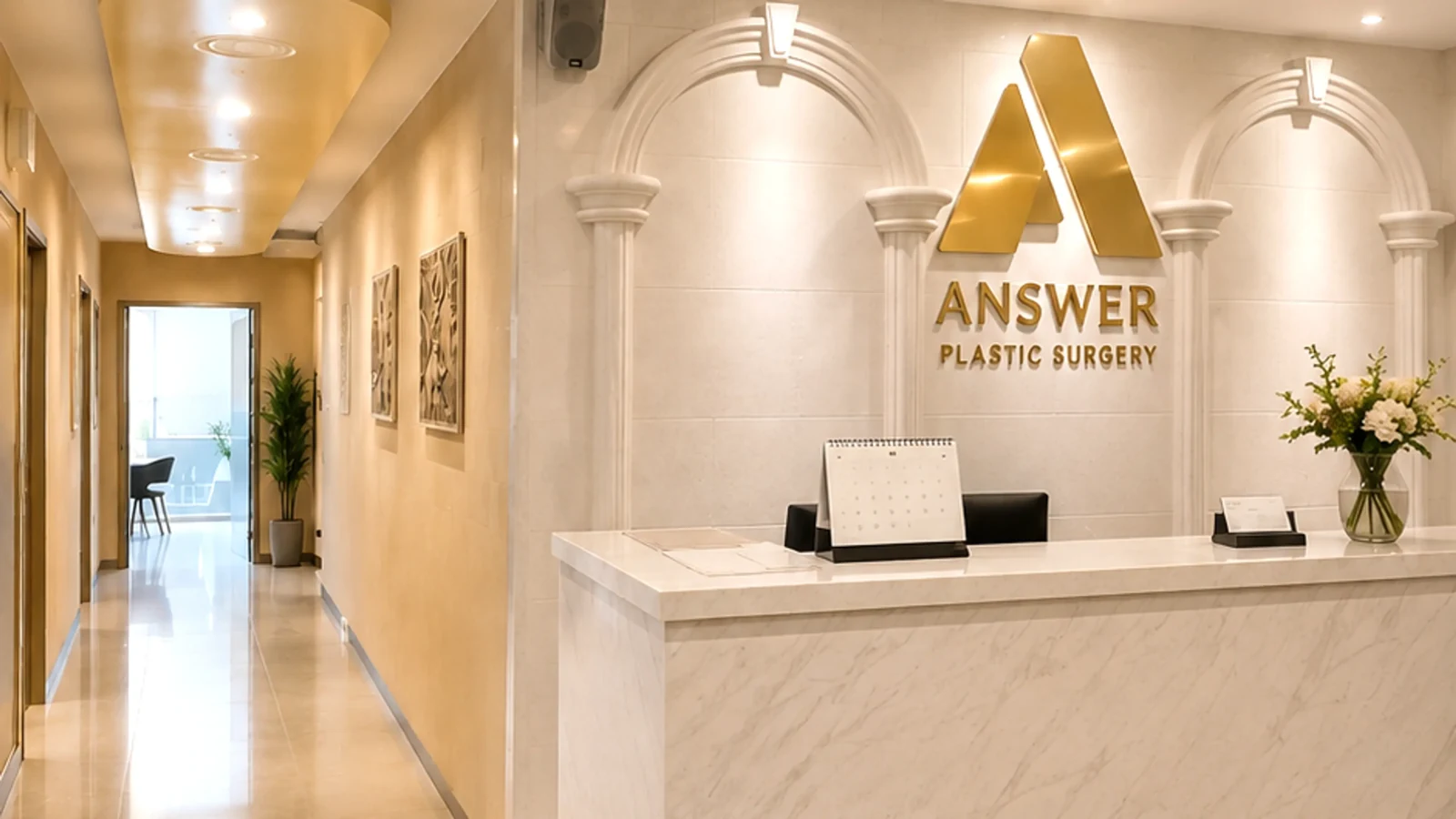
Answer Plastic Surgery
Answer Plastic Surgery near Gangnam Station offers rhinoplasty and revision nose surgery with Dr. Choi Min.
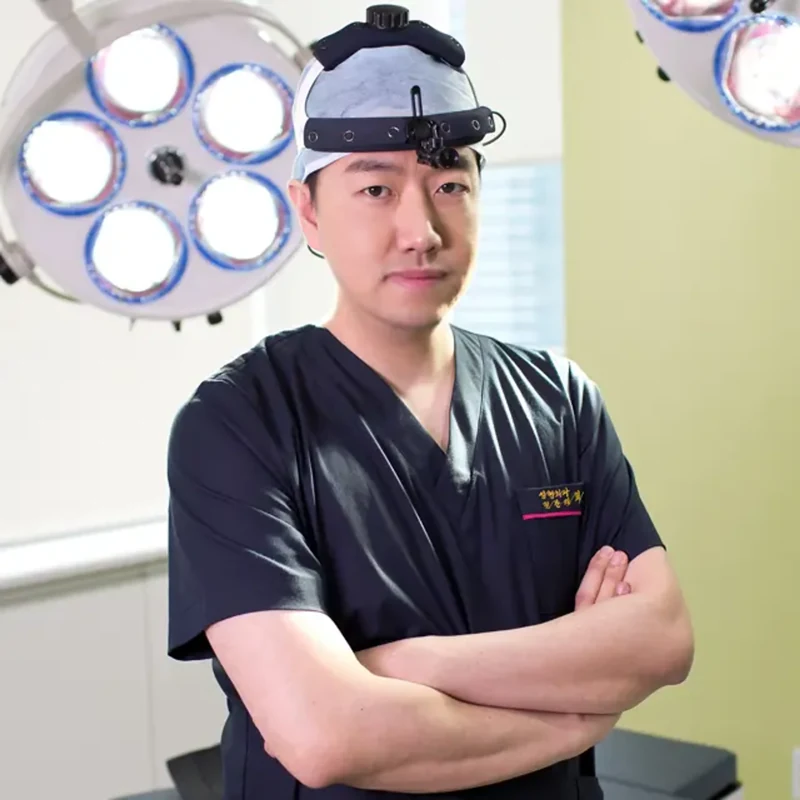

JNB Clinic
JNB offers primary, revision, implant-free and functional rhinoplasty with JuYong Kang, including nasal-valve care and planning after previous filler.
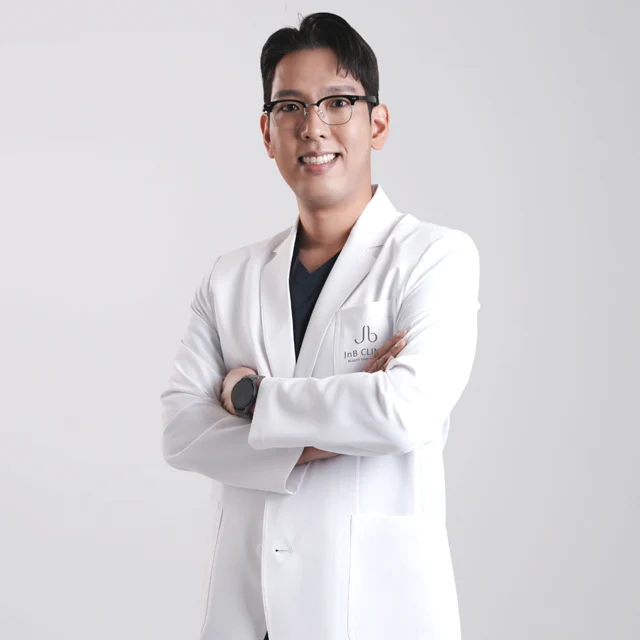

DL Plastic Surgery
DL in Seocho offers primary and revision rhinoplasty, with autologous-tissue, 3D-planned and functional options under Dr. Jinwook Jeong.
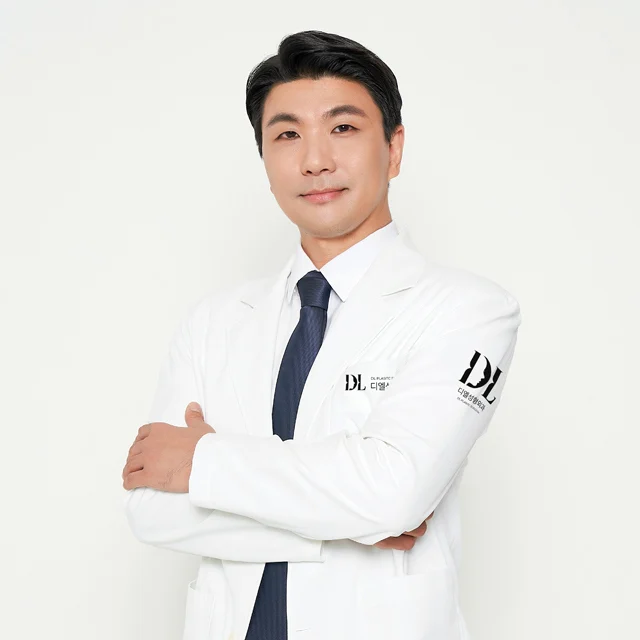
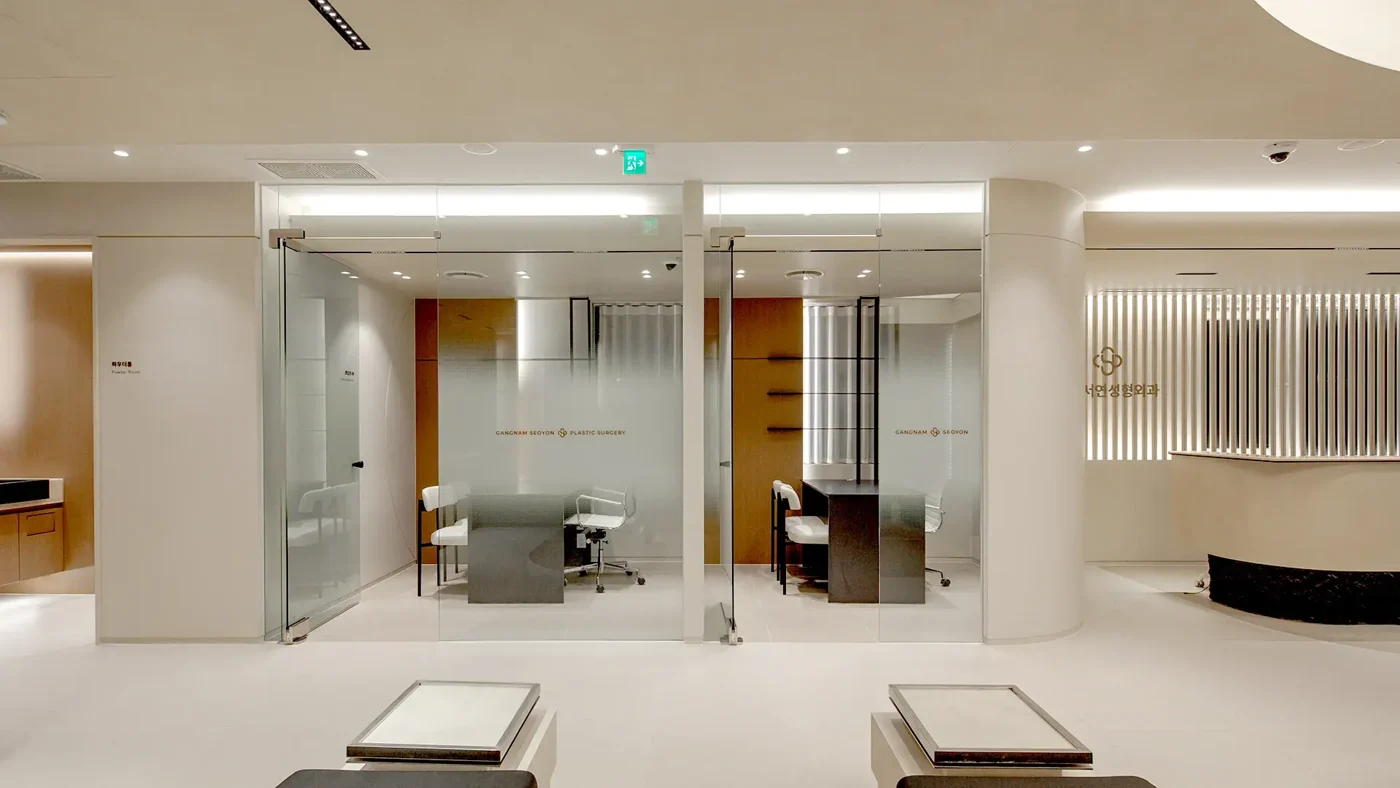
Gangnam Seoyon Plastic Surgery
Gangnam Seoyon offers primary and revision nose surgery under Dr. Dongil Choi.
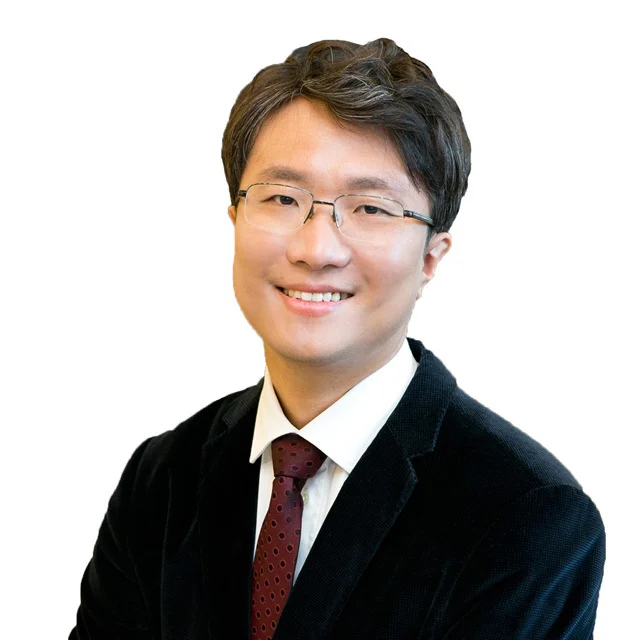

GONG GAN PLASTIC SURGERY
Gong Gan near Sinsa offers male rhinoplasty, revision surgery and nasal-tip procedures under Dr. Ki Weon Ham.

Merry Plastic Surgery Clinic
Merry offers first-time rhinoplasty and revision care for contracted noses, considering nasal appearance and function in the consultation.


Sharp Plastic Surgery
Sharp offers type-based rhinoplasty and revision surgery with Dr. Woon-hoe Kim.

Arke Clinic Plastic Surgery And Aesthetic
Arke in Gangnam offers revision rhinoplasty and low-bridge augmentation with Dr. In-Bae Kim.

Baroko Plastic Surgery
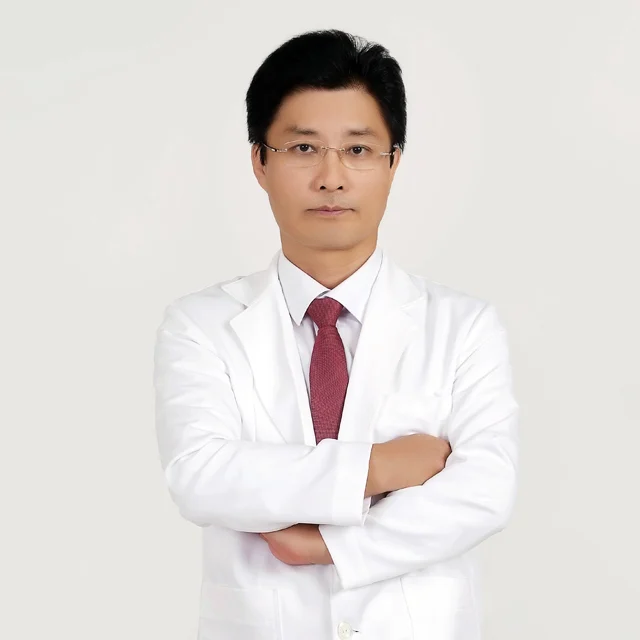
Baroko combines cosmetic nasal surgery with ENT care under Dr. Jun Kim, including cartilage-particle augmentation, revision and nasal airway procedures.
Cinderella Plastic Surgery Clinic (Sinsa Branch)
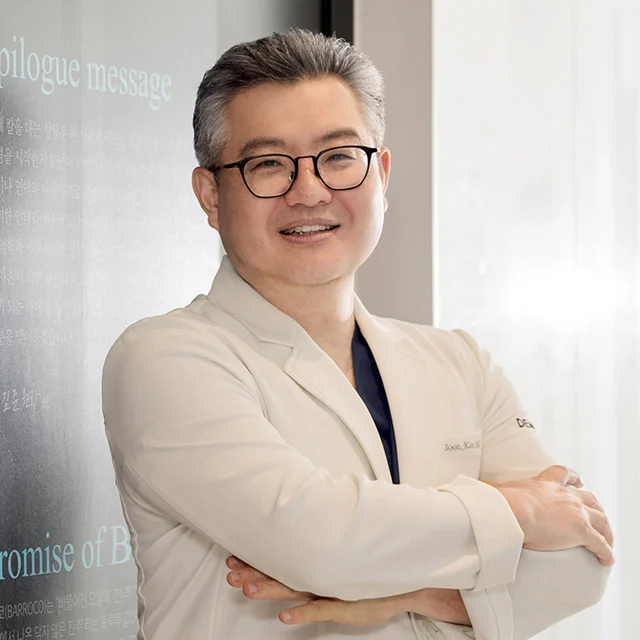
Cinderella’s Sinsa branch offers primary, revision, male and nasal-tip surgery with Dr. JongPil Jeong on its medical team.
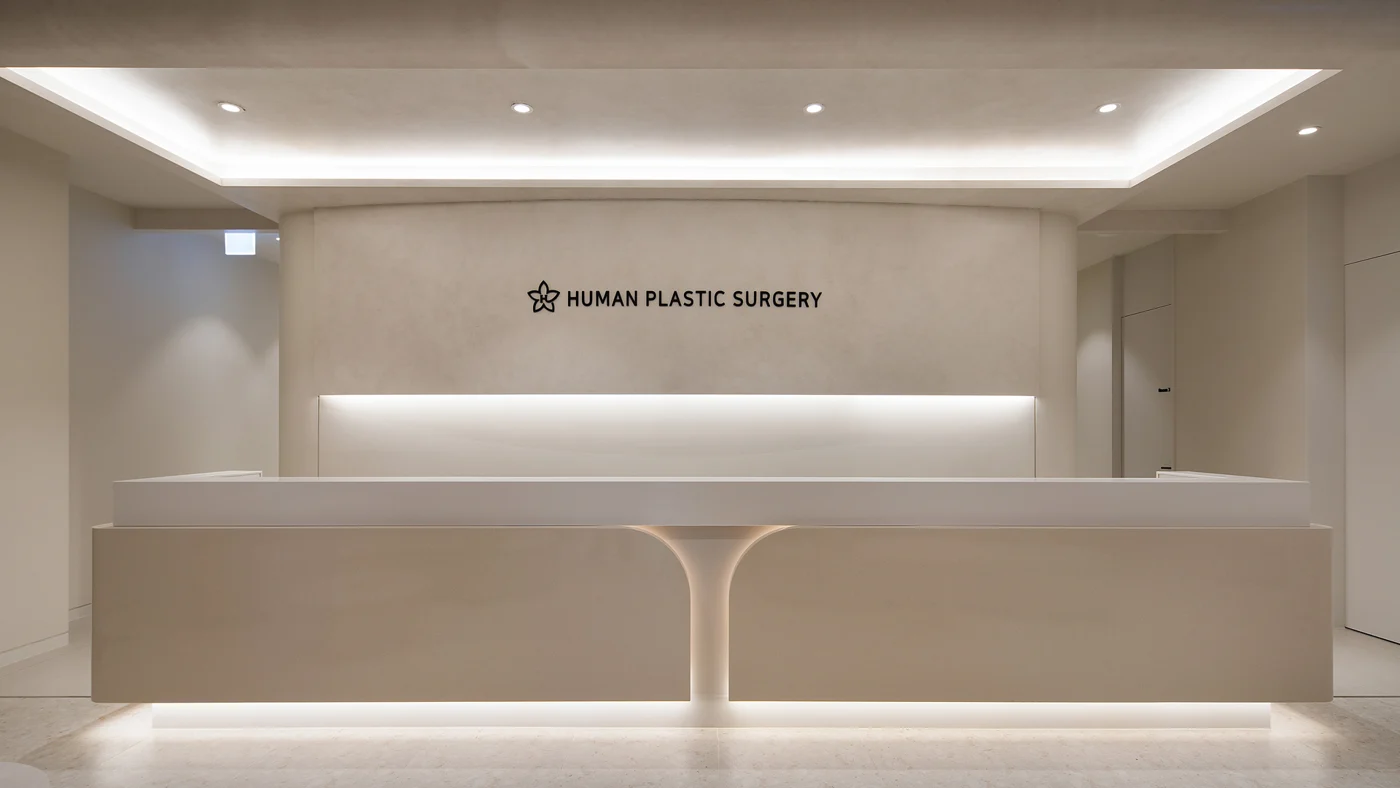
Human Plastic Surgery
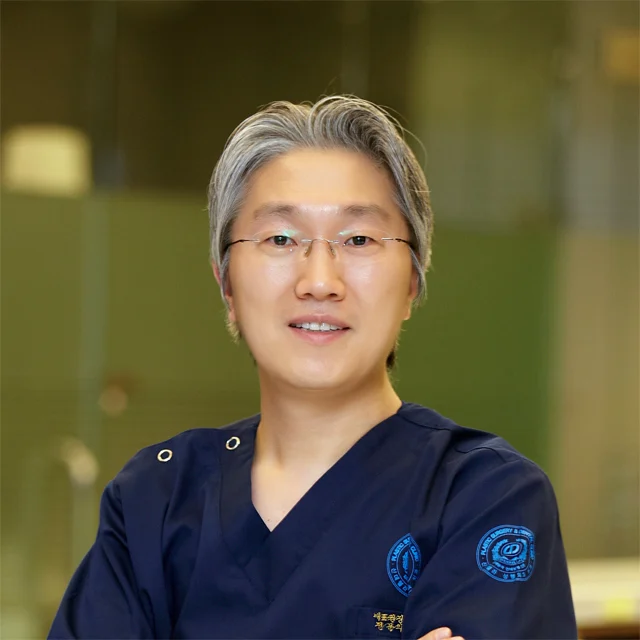
Human in Seocho offers primary, revision and functional rhinoplasty with Dr. Kim Kook Hyun, including autologous-tissue options.

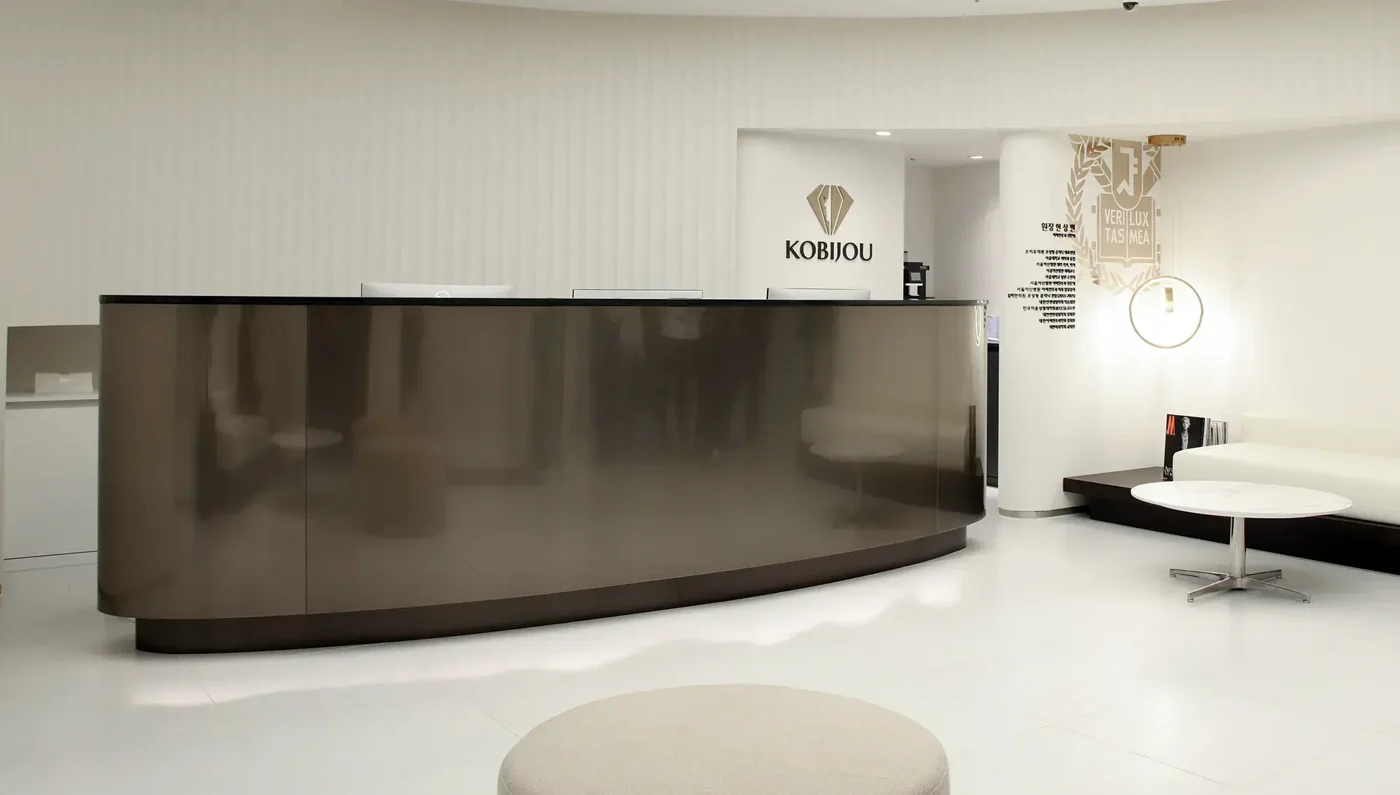
Kobijou Rhinoplasty Clinic
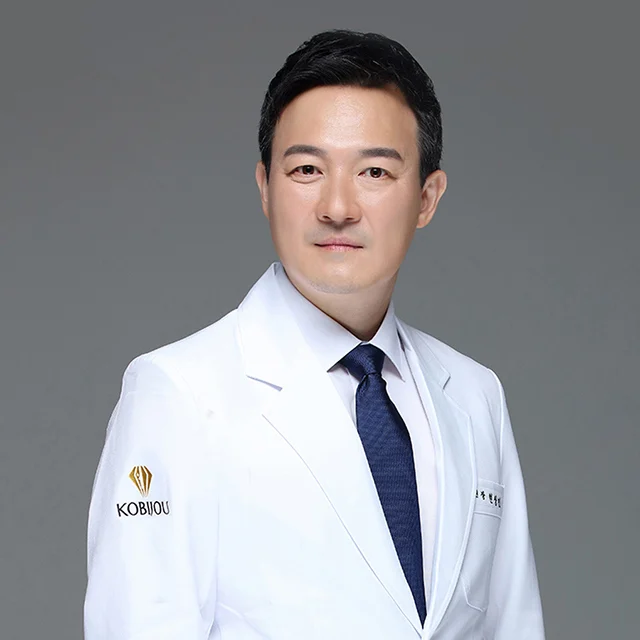
Kobijou offers aesthetic and functional nasal surgery under Dr. Sang-Min Hyun, including implant-free revision and treatment of septal or nasal-valve problems.
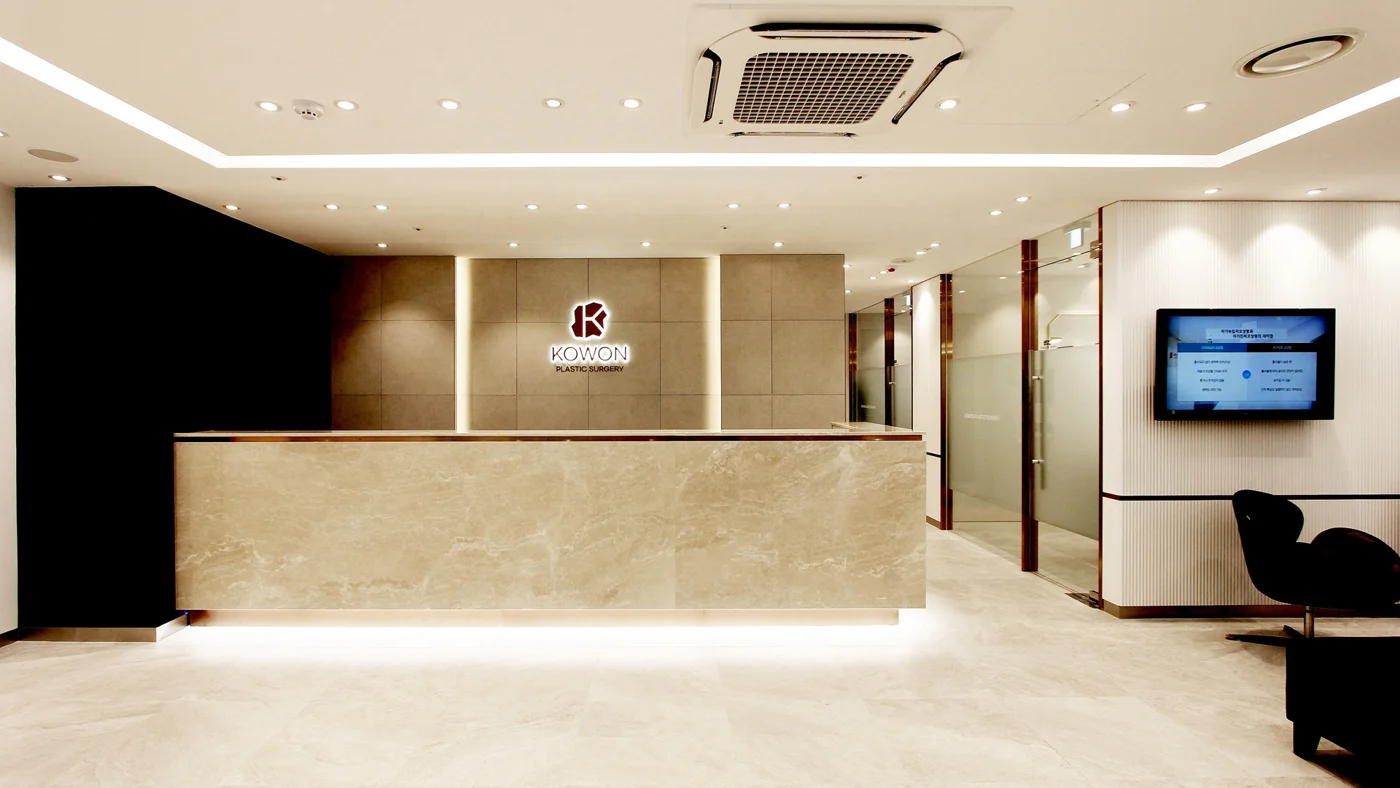
Kowon Plastic Surgery
Kowon offers primary, revision, male and functional rhinoplasty with Dr. Kim Hyeongtaek, including cartilage-grafting options.
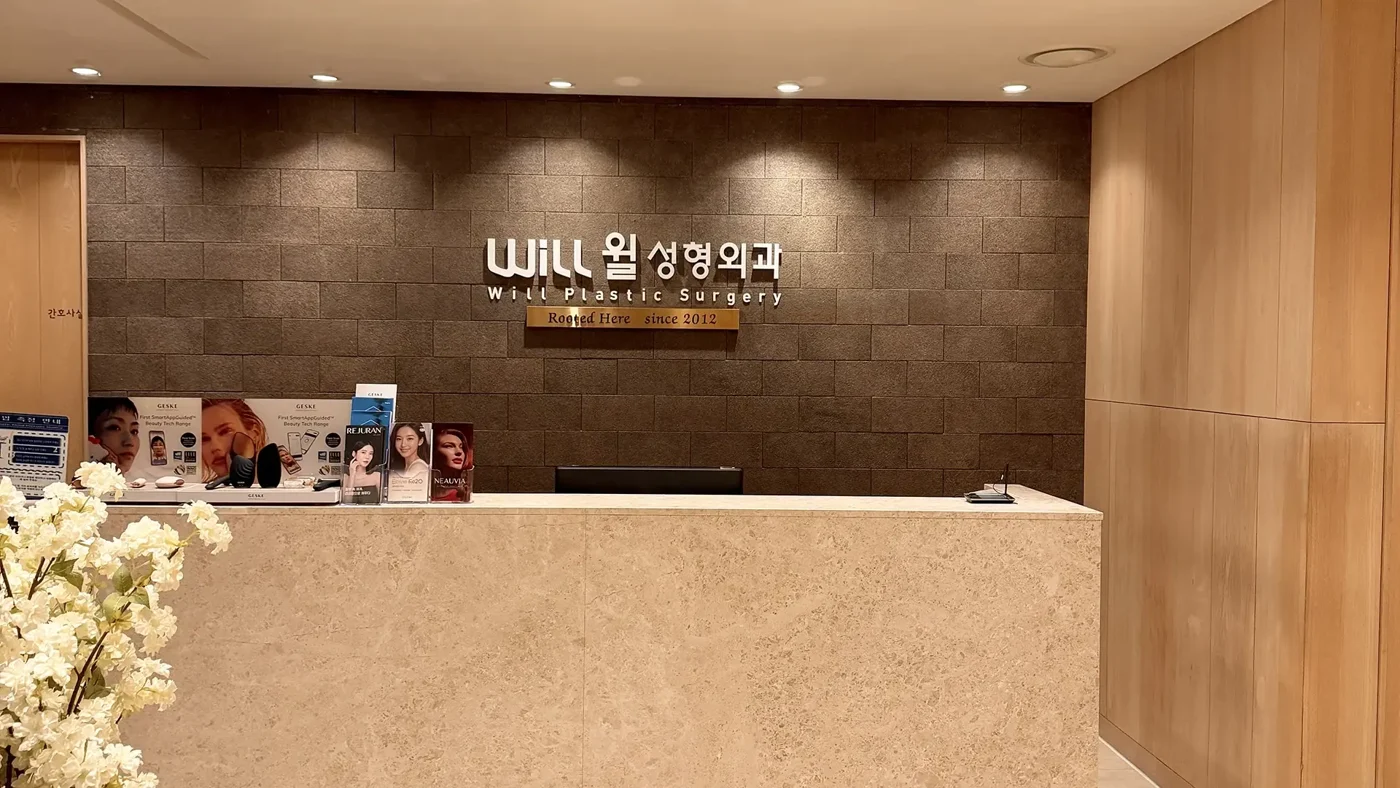
WiLL Plastic Surgery Clinic
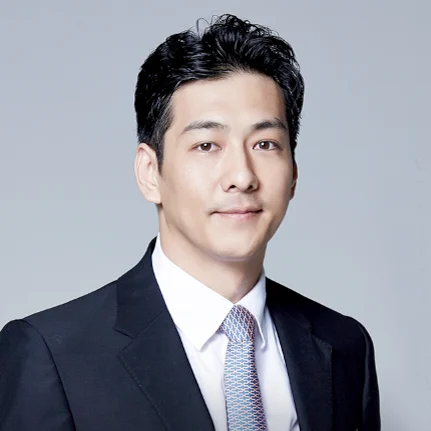
WiLL offers rhinoplasty and revision surgery with Dr. Hyoung-gon Wie, covering bulbous tips, crooked noses, bridge refinement and nostril narrowing.
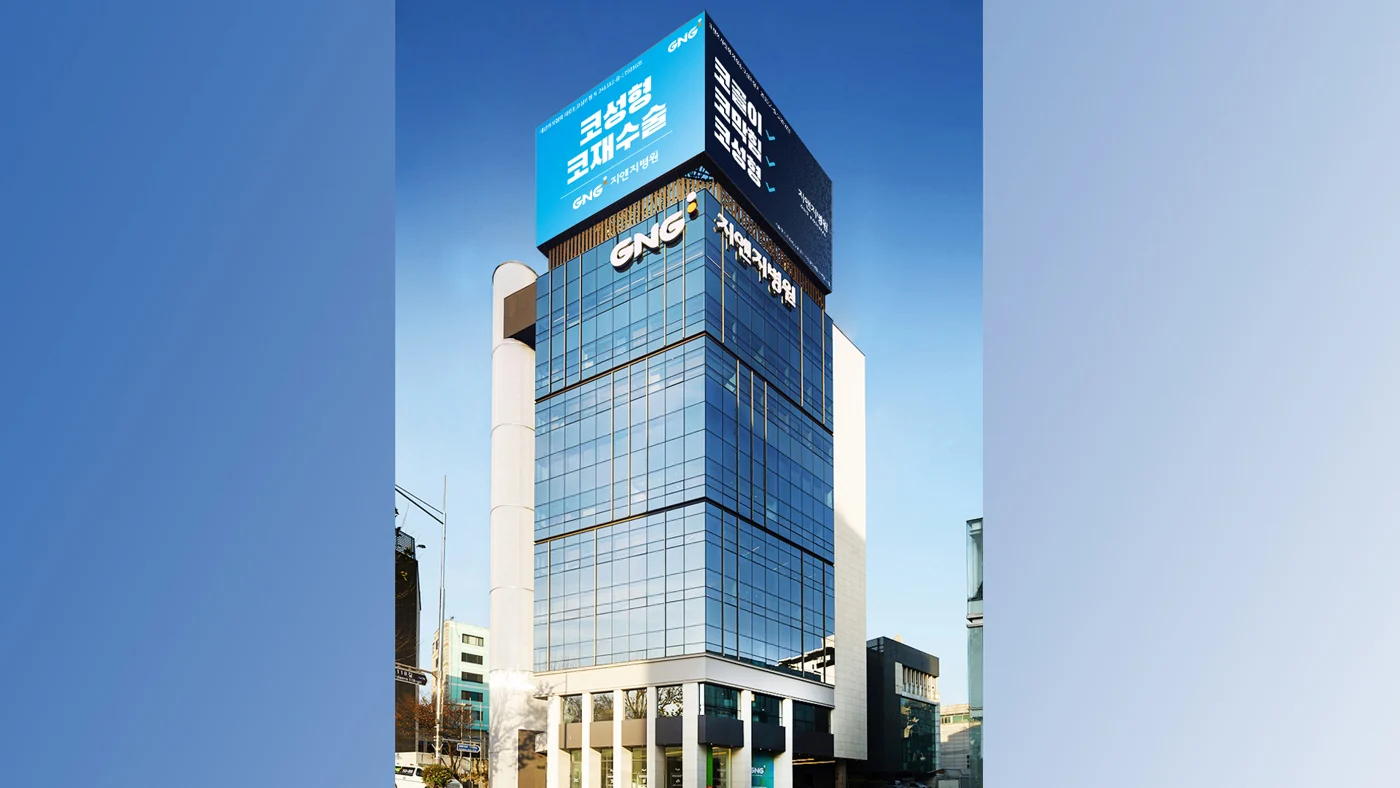
GNG Hospital
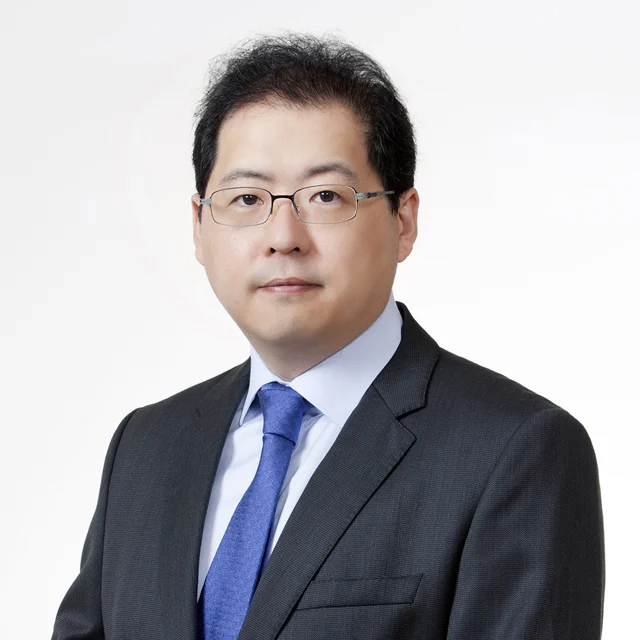
GNG combines cosmetic rhinoplasty and ENT care, including septal surgery, contracted-nose reconstruction and revision for nasal obstruction.
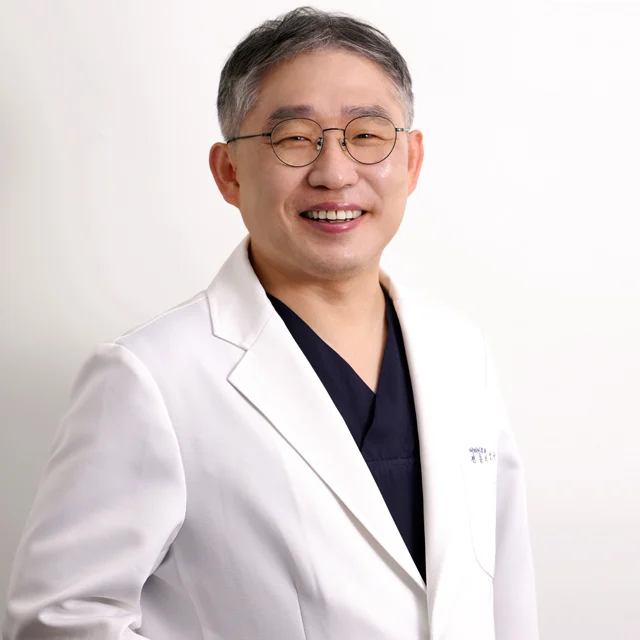
Meet the surgeons
The doctors below are linked to the listed clinics’ nasal surgery profiles. Confirm who would examine you, perform the operation and manage follow-up. A clinic’s revision service does not mean every doctor on its team performs the same procedures.
Dr. Choi Min
Plastic surgeon
Dr. Choi Min is the chief director of Answer Plastic Surgery. His official biography identifies him as a board-certified plastic surgeon with a clinical focus on rhinoplasty and revision rhinoplasty.
JuYong Kang
ENT specialist practicing aesthetic and functional rhinoplasty
Dr. JuYong Kang is JNB’s representative director and chief physician. His background is in otolaryngology (ENT), with clinical interests in rhinoplasty, nasal airway…
Jinwook Jeong
Plastic Surgery Specialist
Dr. Jinwook Jeong studied medicine and completed doctoral education at Seoul National University, with further plastic surgery training at its Bundang hospital. His 2025 academic…
Jun Kim
Otolaryngology (ENT) – Functional and Aesthetic Rhinoplasty Specialist
Dr. Jun Kim is an ENT specialist whose practice combines nasal appearance and function. His background includes a visiting academic role at Samsung Medical Center and leadership…
Sang-Min Hyun
ENT specialist with aesthetic and functional rhinoplasty practice
Dr. Sang-Min Hyun leads Kobijou Rhinoplasty Clinic. He trained in otorhinolaryngology at Asan Medical Center and subsequently completed a rhinology fellowship there. His nasal…
Start with the concern after your first surgery
Use the descriptions below to explain your concern. They are consultation starting points, not diagnoses. A photograph or online message cannot reliably establish what is happening inside the nose.
| What concerns you | What to clarify at examination |
|---|---|
| A nose that looks too short, upturned or tight | Whether the problem involves scarring, skin tension, implant position or loss of support; what lengthening or reconstruction could realistically achieve. |
| A crooked bridge, uneven nostrils or an asymmetric tip | Which differences come from bone, cartilage, skin or previous surgery, and which may remain even after correction. |
| A pinched tip or breathing worse than before surgery | Whether the septum, nasal valves or other causes of blockage need assessment alongside the visible shape. |
| A visible, displaced or uncomfortable implant | What material was used, whether removal is necessary, and whether support must be rebuilt at the same operation or later. |
| A prominent area above the tip or an over-operated appearance | Whether the contour reflects healing, scar tissue or structure, and whether observation or a surgical correction is appropriate. |
| Two or more previous nose operations | What tissue remains available, what earlier operations changed, and whether a further operation offers enough benefit to justify its risks. |
Silicone or Gore-Tex removal: what happens after the implant comes out?
Implant removal and revision reconstruction are different treatment plans. Before accepting a quote, ask whether it covers removal alone, replacement with another material, or rebuilding the nose using cartilage. Discuss what the bridge and tip could look like without the implant and whether the existing tissue can support the change you want.
Bring the implant name and original operation report if you have them. Ask the surgeon to explain the condition of the surrounding tissues, any concern about infection, and why they recommend one operation or separate stages. A plan for a stable cosmetic concern may differ from one for painful or inflamed tissue. Do not assume that a package described as ‘implant-free’ includes every step of your repair.
If you have fever, worsening pain, unusual discharge or significant breathing difficulty after surgery, seek prompt medical assessment. Do not wait for an overseas cosmetic booking to deal with a possible complication.
Cleveland Clinic — Rhinoplasty
Contracted or shortened nose after surgery
A shortened, tight or increasingly upturned appearance needs an explanation before another aesthetic plan. Ask whether the surgeon believes scarring or an implant-related problem is involved, how the skin and internal support affect the options, and whether there is a current medical problem to treat first. The same description can cover different findings.
If lengthening or reconstruction is proposed, ask how the tissues would accommodate it and what limit the surgeon expects. Find out whether material must be removed, whether cartilage support is planned, and whether treatment would be staged. Request cases showing a similar starting concern with follow-up dates, rather than only an attractive side profile. Baroko and Merry describe contracted-nose revision among their services; a consultation is still needed to establish what applies to you.
Baroko’s published foreign-patient price list · Merry Plastic Surgery
Third or fourth rhinoplasty: assess the benefit before another operation
After several operations, build a separate record for each procedure rather than treating them as one history. Record who operated, which materials were added or removed, any infection or additional treatment, and the point when the current concern began. If records are missing, clearly separate what you know from what you remember being told.
Ask the next surgeon to identify one or two achievable priorities and explain the trade-offs. A small-looking change may still require substantial work. Discuss what they would leave unchanged, which alternatives avoid another operation, and what would make them recommend against surgery. The decision should address the expected benefit of this particular repair, not simply the desire to reverse every previous result.
Revision rhinoplasty before and after
Compare the original concern and procedure, not only the final shape. These are clinic-provided examples, not independent reviews or an average outcome. Collection covers may show the clinic; open the entry to see the actual comparisons. Multiple photographs can show the same patient, and an early follow-up image is not a final result.
Contracted nose correction — 10 weeks
Photographs at 10 weeks show early recovery; swelling can still affect the outline.
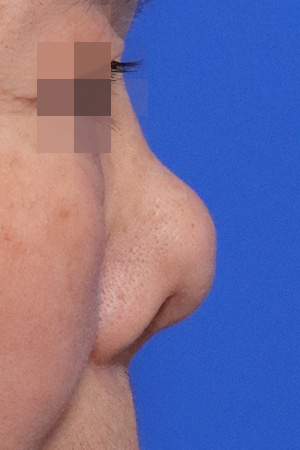
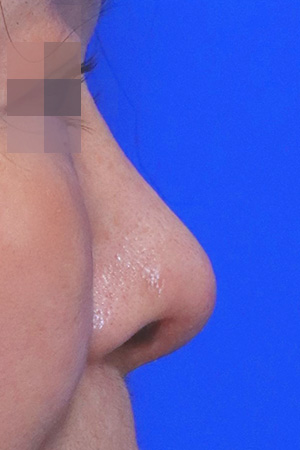
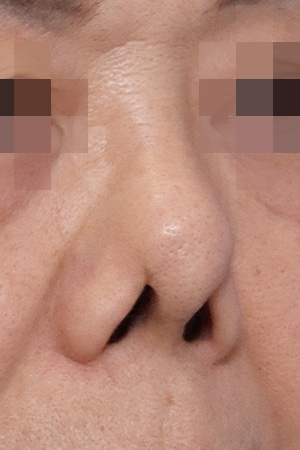
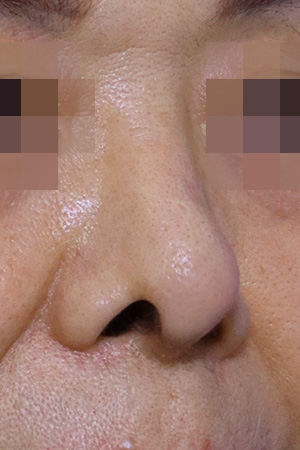
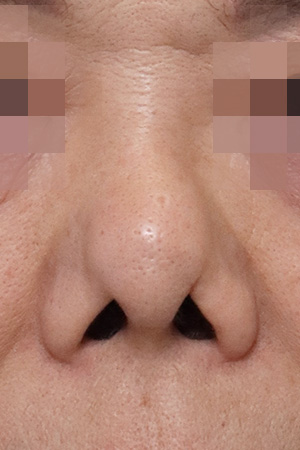
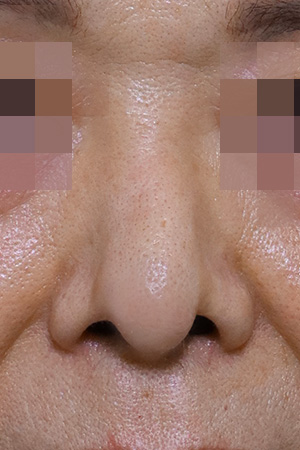
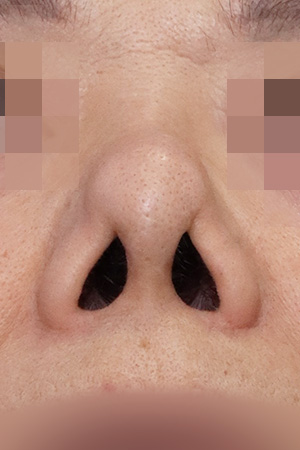
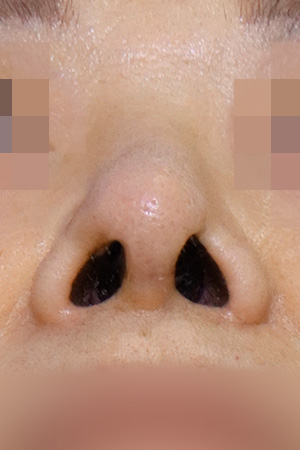
Revision rhinoplasty with Gore-Tex removal
The follow-up timing for these photographs is not stated.
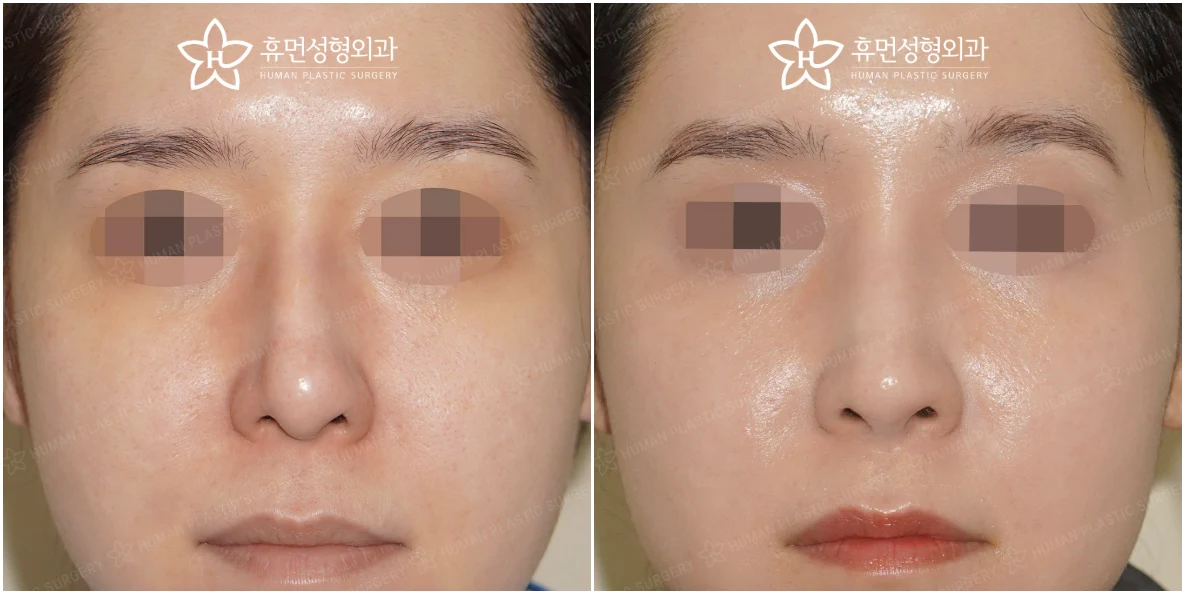
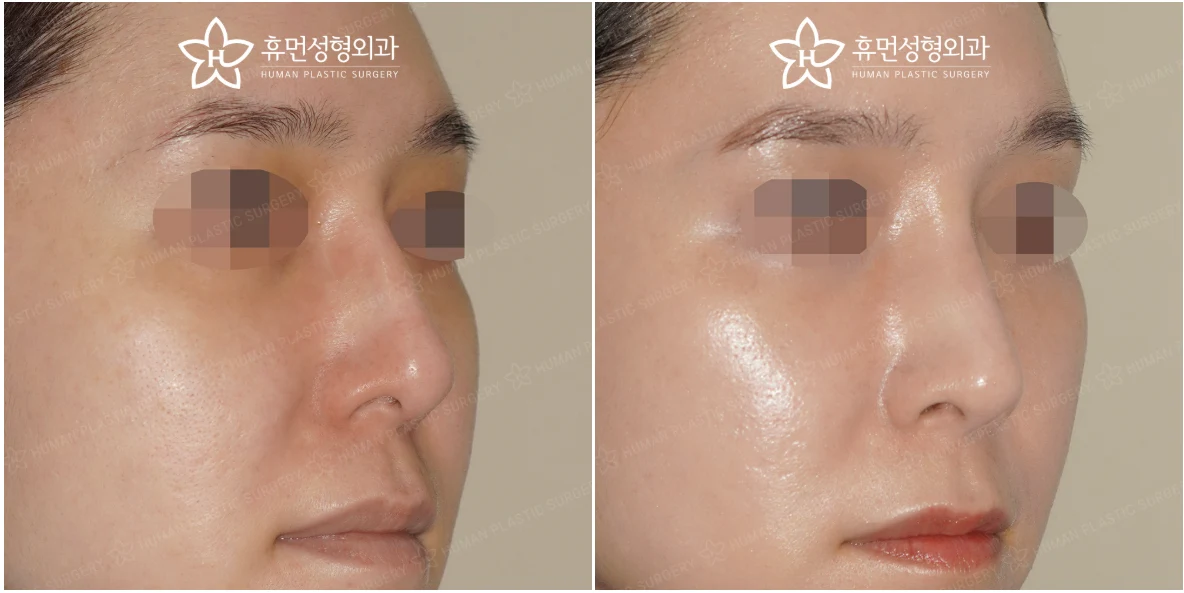
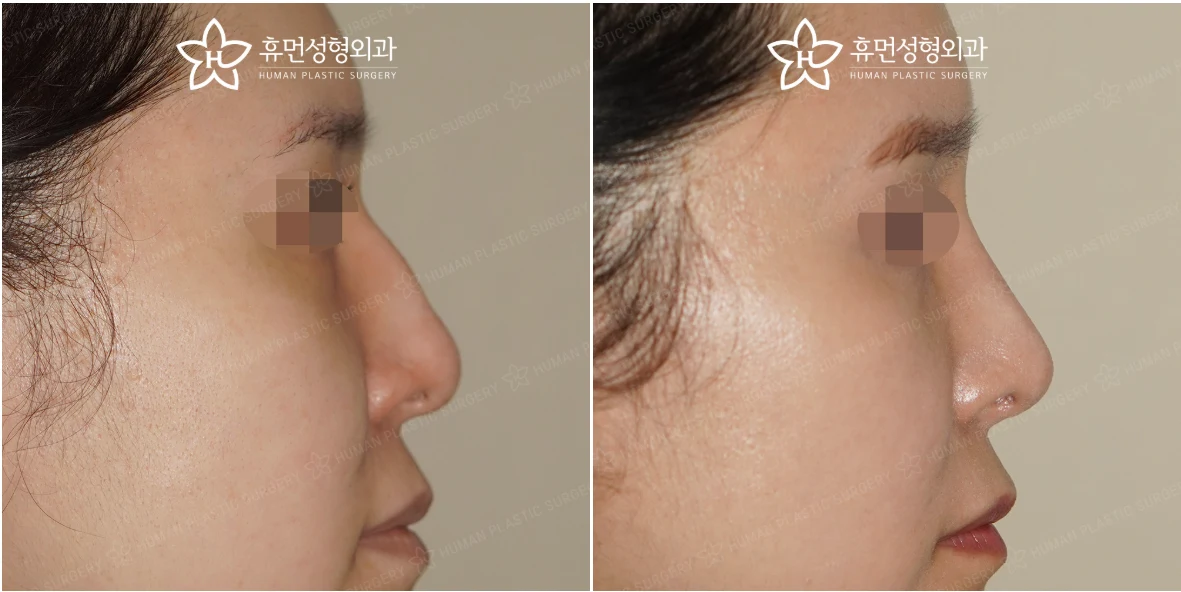
Revision rhinoplasty with Gore-Tex removal
Revision rhinoplasty
This revision rhinoplasty involved removing a Gore-Tex implant and previous cartilage at the nasal tip. The plan addressed a nasal hump,…
Before-and-after preview
View case ↗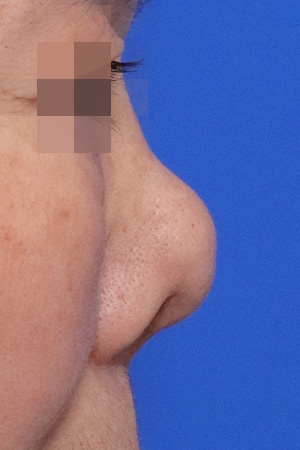
Contracted nose correction — 10 weeks
10 weeks
Contracted nose correction at Kobijou Rhinoplasty Clinic, shown 10 weeks after surgery. Rib cartilage for the bridge and tip.
Before-and-after preview
View case ↗Revision rhinoplasty
3 comparisons · Seoul
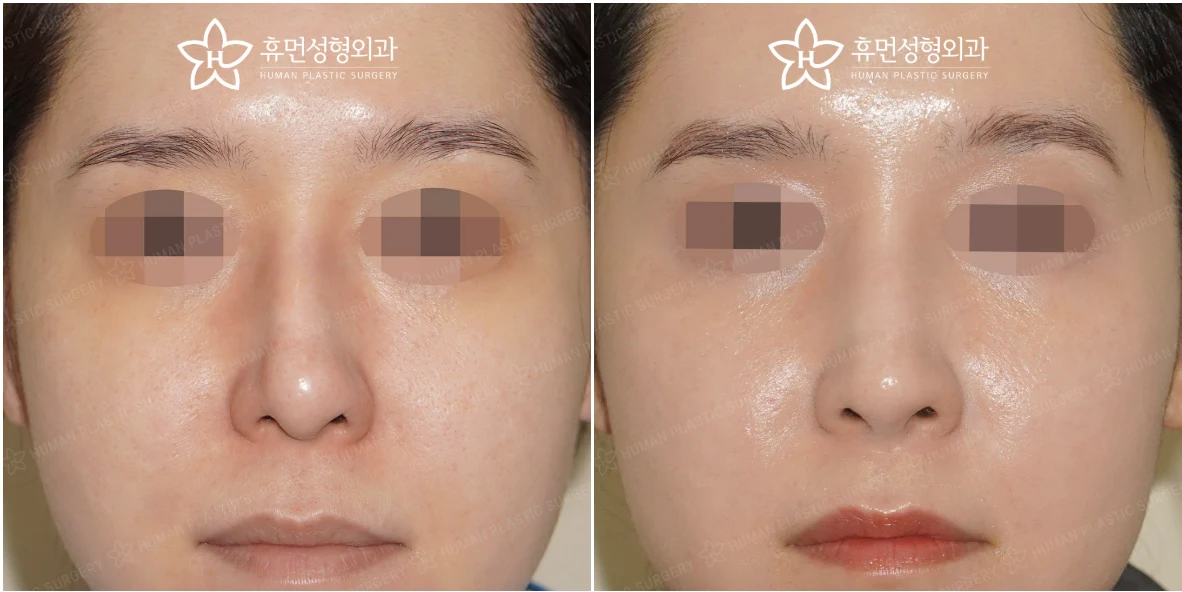
3 clinic-provided comparisons are grouped here from Human Plastic Surgery’s revision rhinoplasty collection. The records may include several…
Photo collection · clinic cover image
View collection ↗Revision rhinoplasty
12 comparisons · Seoul
12 clinic-provided comparisons are grouped here from Kobijou Rhinoplasty Clinic’s revision rhinoplasty collection. The records may include…
Photo collection · clinic cover image
View collection ↗
Revision rhinoplasty
21 comparisons · Seoul
21 clinic-provided comparisons are grouped here from Verygood Plastic Surgery’s revision rhinoplasty collection. The records may include several…
Photo collection · clinic cover image
View collection ↗
Revision rhinoplasty
1 comparisons · Seoul
1 clinic-provided comparisons are grouped here from The Pride Plastic Surgery’s revision rhinoplasty collection. The records may include several…
Photo collection · clinic cover image
View collection ↗
Revision rhinoplasty
2 comparisons · Seoul
2 clinic-provided comparisons are grouped here from Soonplus Plastic Surgery’s revision rhinoplasty collection. The records may include several…
Photo collection · clinic cover image
View collection ↗Revision rhinoplasty
3 comparisons · Seoul
3 clinic-provided comparisons are grouped here from Merry Plastic Surgery Clinic’s revision rhinoplasty collection. The records may include…
Photo collection · clinic cover image
View collection ↗How much does revision rhinoplasty cost in Korea?
The repair required matters more than the label ‘revision’. A limited tip operation, implant removal and a contracted-nose reconstruction can have very different scopes. Compare quotes for the same proposed work, surgeon, materials and aftercare. A first-time rhinoplasty promotion is not a reliable budget for another operation.
For a concrete starting point, Baroko’s published foreign-patient price list gives the examples below. These are one clinic’s starting prices, checked on 30 October 2026, not a Korean market average or a quote for another clinic.
| Baroko revision procedure | Published starting price |
|---|---|
| Open nasal-tip revision | KRW 5,000,000 |
| Open revision with ear cartilage | KRW 6,000,000 |
| Open revision with the patient’s rib cartilage | KRW 8,000,000 |
| Contracted-nose revision with the patient’s rib cartilage | KRW 10,000,000 |
The source excludes agency fees and does not specify every other inclusion. Confirm tax, anesthesia, tests, implant removal, graft harvesting, medicines and follow-up in a current written quote. Prices can change after examination.
Keep travel costs separate: accommodation for the recommended review period, transport, an accompanying person if needed, flexible flights and the cost of care at home. Request the cancellation and further-treatment policy before paying a deposit. A ‘free revision’ promise may exclude anesthesia, materials, hospital charges or a return trip.
Baroko’s published foreign-patient price list · Johns Hopkins Medicine — Rhinoplasty
Rib, ear or septal cartilage: which repair is being proposed?
A graft has a particular job, such as supporting a weakened area or changing a contour. Ask the surgeon to identify that job before comparing material names. Johns Hopkins describes ear or rib cartilage grafting as a possible part of rhinoplasty when additional cartilage is needed. The choice depends on the actual reconstruction, not a universal rule that one source is best for every revision.
For septal cartilage, ask what remains after earlier surgery. For ear or rib cartilage, discuss the additional incision and recovery at that donor site. If donated rib cartilage is proposed, ask how it differs from your own cartilage and what risks, handling and alternatives apply. ‘Rib cartilage’ on a quotation should make the source clear.
Request a written fallback plan if the surgeon finds less usable tissue than expected. Clarify what changes require your consent before surgery. Do not equate a more expensive material or a branded technique with a more suitable operation.
How long should you wait before revision rhinoplasty?
Mayo Clinic describes waiting at least a year before another operation to refine a result because the nose continues to change during healing. This is a reference for discussing elective timing, not a rule for delaying care when something is wrong. The surgeon should distinguish a concern that needs attention now from a change that should be reassessed as swelling settles.
Ask whether you need an examination now even if surgery would be later. Bring dated photographs and describe whether the problem is stable, improving or worsening. A second opinion can help you understand the recommendation without committing to an operation date. Do not let discounted surgery dates or a convenient holiday decide the timing.
Breathing problems after rhinoplasty need their own assessment
Breathing difficulty can involve different parts of the nasal airway. Mayo Clinic’s discussion of persistent obstruction highlights weakened support after previous surgery, nasal-valve narrowing and septal problems. Describe which side feels blocked, when it began and whether it changes. A plan to straighten the visible nose should also explain any breathing goal.
Ask who will evaluate the airway and which examinations are needed. A septoplasty, nasal-valve repair and cosmetic reshaping are not interchangeable procedures. If more than one is proposed, request the reason for each and how success will be assessed. Avoid choosing solely from before-and-after photographs: they cannot demonstrate airflow.
Mayo Clinic — Functional rhinoplasty · AAO-HNS — Nasal valve repair
How to choose a revision rhinoplasty surgeon in Korea
A useful comparison starts with the operating doctor, not a clinic’s social-media following. Read their training and nasal surgery background. Ask for examples of the problem you have—such as an implant complication or multiple previous operations—and establish who performed those cases. A large general cosmetic gallery does not show how often a surgeon handles your type of repair.
At consultation, ask each surgeon to explain the cause of your concern, the proposed changes, alternatives and the limits. If two plans differ, identify the clinical reason rather than assuming the more extensive or more expensive plan is better. Ask what would make the surgeon advise observation, a smaller correction or no further elective surgery.
- Confirm the operating surgeon’s name and meet them before giving final consent.
- Ask what relevant revision experience and comparable follow-up cases they can discuss.
- Understand the proposed changes to appearance, support and breathing separately.
- Clarify anesthesia, monitoring, postoperative review and access to urgent assessment.
- Get the treatment scope, material choices, costs and further-treatment policy in writing.
Risks and realistic limits of another nose operation
Revision does not remove the risks of rhinoplasty. ASPS lists potential problems including infection, breathing difficulty, altered sensation, poor healing, scarring and an unsatisfactory appearance. Discuss how earlier operations affect your personal risk and whether a donor-site procedure adds separate concerns.
Ask what a realistic improvement would look like from the front, side and base of the nose. Explain which change matters most to you and which trade-offs you would not accept. A computer simulation is a communication aid, not a promised result. No clinic can guarantee a specific appearance, complete symmetry or that you will never need further treatment.
If the consultation leaves you uncertain, take the written plan away and review it before paying. Feeling disappointed after the first operation does not mean you must rush into another. You can seek another assessment or decide not to proceed.
Recovery in Korea and follow-up after you return home
Plan around the surgeon’s review schedule rather than a fixed tourist itinerary. Ask when dressings, splints or sutures will be checked, when the surgeon needs to see you again and when they consider you fit to fly. Early social recovery and the final settled shape are different milestones; swelling can continue long after you leave Korea.
Before booking, agree who can help during the first nights and whether the accommodation works for your recovery needs. If cartilage is taken from the ear or chest, ask about care for that site as well as the nose. Follow the operating team’s instructions about medicines, activity, glasses and wound care rather than generic travel advice.
Leave with the operation summary, implant or graft details, medication list and contact arrangements. Establish who assesses a problem locally after you return home, how the Korean surgeon shares records and who pays for additional care. Remote messages can support follow-up but cannot replace an examination when one is needed.
Revision rhinoplasty: common questions
Is revision rhinoplasty the same as a second nose job?
Usually, yes. Revision or secondary rhinoplasty means surgery after earlier rhinoplasty. It also includes further operations after two or more procedures. The number of earlier operations alone does not describe how complex the next repair would be.
Who is the best revision rhinoplasty surgeon in Korea?
There is no single best choice for every revision problem. Compare the named doctor’s relevant experience, similar cases, explanation of the repair, realistic limits and follow-up. Clinic order on this site is not a quality ranking.
Can I have revision surgery after an operation in another country?
You can request an assessment from another clinic. Provide the previous operation report and material details if available. The new surgeon still needs to examine you and decide whether treatment is appropriate; an online estimate is not final surgical approval.
Does revision always require rib cartilage?
No. The surgeon needs to explain what support or contour change is required and what usable tissue remains. Rib cartilage is one possible option, not a requirement for every repeat operation.
Can I remove my nose implant without replacing it?
That is a question for an examination of your existing tissues and support. Ask what removal alone could change, whether reconstruction would be needed and why the surgeon recommends that approach.
How much does a second nose operation cost in Korea?
The scope determines the quote. One published Baroko list starts open-tip revision at KRW 5 million and contracted-nose revision using the patient’s rib at KRW 10 million. These are clinic-specific starting prices, not an all-inclusive range or a national average.
How many days should I stay in Korea?
Ask for a written postoperative appointment schedule and individual travel advice before choosing your return flight. The right stay depends on the operation, healing and any additional care needed; a package’s standard stay may not match your revision plan.
Can before-and-after photos prove that my breathing will improve?
No. Photos can show visible changes from particular angles. Breathing outcomes require their own history and clinical assessment. Ask separately about airway findings and how improvement would be evaluated.